And Why Efficiency Is About More Than Just Equipment
Energy efficiency is one of the most common reasons people start thinking about upgrading their HVAC system. Rising utility bills tend to make the issue hard to ignore, whether you’re a homeowner paying monthly costs or a property manager responsible for operating expenses across multiple units.
At the same time, efficiency has become one of the most misunderstood parts of HVAC decision-making. Newer systems can reduce energy costs — but not always in the way people expect, and not automatically just because equipment is labeled “high efficiency.”
Understanding how and when modern HVAC systems deliver real savings is the key to making a smart upgrade decision.
Why Energy Costs Increase Even When Systems Still “Work”
Most HVAC systems don’t become inefficient overnight. Instead, efficiency erodes gradually as components wear, tolerances loosen, and controls fall out of calibration. The system still heats or cools the space, but it has to work harder and longer to do the same job.
This often shows up as energy bills that rise year over year, even though usage patterns haven’t changed. Homeowners may assume the increase is entirely due to utility rates. Property managers may see it as an unavoidable operating cost. In reality, aging equipment is frequently a contributing factor.
The challenge is that these losses are incremental. Because they happen slowly, they’re easy to overlook — especially when the system hasn’t failed outright.
What “High Efficiency” Really Means in Practice
Modern HVAC equipment is undeniably more efficient than what was available 15 or 20 years ago. Improved heat exchangers, variable-speed motors, and smarter controls all play a role. However, efficiency ratings on their own don’t tell the full story.
A high-efficiency system that’s improperly sized, poorly installed, or mismatched with the building will rarely perform as intended. On the other hand, a well-designed, correctly installed system with moderate efficiency ratings can outperform expectations.
This is where experience matters. Efficiency isn’t just a product feature — it’s the outcome of design, installation quality, and how the system is actually used.
Heat Pumps, High-Efficiency Furnaces, and Hybrid Systems
Much of today’s efficiency conversation revolves around heat pumps, and for good reason. In the right applications, they can significantly reduce energy consumption and provide consistent comfort. That said, they aren’t a universal solution.
Ontario’s climate presents a wide range of conditions, and not every building is ideally suited for an all-electric system. In many cases, hybrid setups that combine heat pumps with high-efficiency furnaces strike the best balance between efficiency, reliability, and cost control.
The most important takeaway is that there is no single “best” system for every property. The right choice depends on building characteristics, usage patterns, and long-term goals — not just on current trends or incentives.
The Role of Controls and System Design
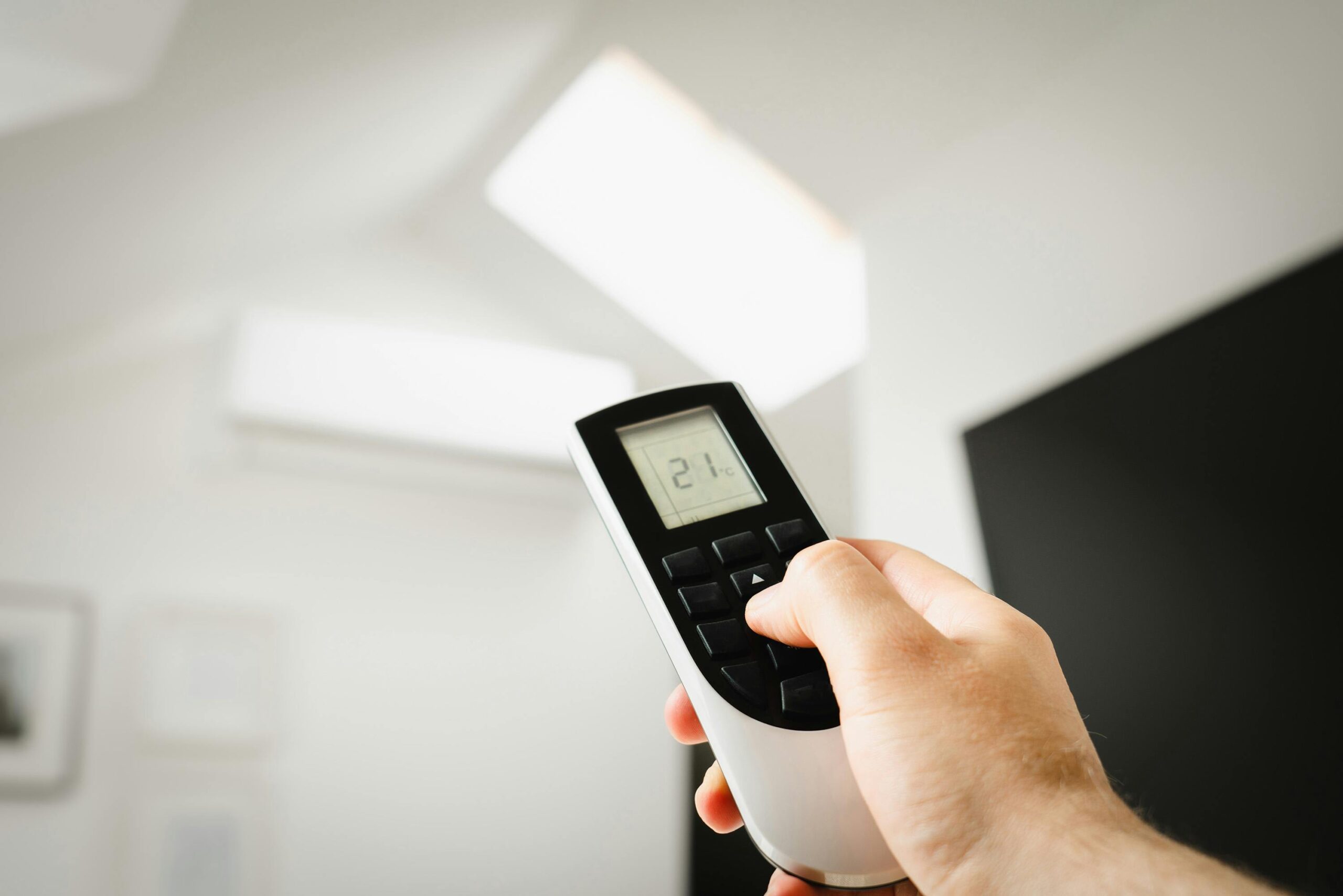
One of the most overlooked aspects of efficiency is how a system is controlled. Modern thermostats, zoning strategies, and automation can dramatically improve performance, especially in larger homes and multi-unit buildings.
Without proper controls, even the most efficient equipment can waste energy. With them, systems respond more intelligently to real demand, reducing unnecessary runtime and smoothing out temperature fluctuations.
For property managers, this often translates into better tenant comfort and more predictable energy usage across units.
Setting Realistic Expectations Around Savings
One of the fastest ways to erode trust is to overpromise energy savings. While upgrades often reduce costs, the degree of savings depends on several factors, including the age and condition of the existing system, current energy rates, and how the building is used.
Efficiency improvements tend to deliver their value over time. They may not always produce dramatic short-term reductions, but they do stabilize costs, reduce waste, and protect against further efficiency decline as older systems continue to age.
Understanding this helps homeowners and property managers make decisions based on long-term value rather than quick payback alone.
Why Documentation and Evaluation Matter — Especially for Incentives
Energy efficiency upgrades are often tied to rebates and incentive programs, but qualifying for those programs usually requires proper documentation and testing. Systems must be assessed correctly, installed to specification, and verified after the fact.
Skipping steps or relying on assumptions can lead to missed incentives or performance issues down the line. This is particularly important for property managers overseeing multiple upgrades, where consistency and record-keeping are essential.
Efficiency isn’t just about installing new equipment — it’s about ensuring the system performs as intended for years to come.
Efficiency as a Planning Tool, Not a Sales Hook
When approached thoughtfully, energy efficiency becomes a planning tool rather than a marketing slogan. It allows homeowners to reduce long-term operating costs and gives property managers a way to control expenses while improving comfort and reliability.
The most effective efficiency upgrades are the ones that align with how a building is actually used and how it will be used in the future.
Making Informed Decisions About Efficiency
Modern HVAC systems offer meaningful efficiency improvements, but only when they’re selected and implemented with care. Understanding the limitations, trade-offs, and realistic outcomes is what turns efficiency from a buzzword into a benefit.
Whether you’re evaluating a single home or an entire portfolio, clarity is what leads to good decisions — not pressure or hype.
Considering an Efficiency Upgrade?
If you’re exploring ways to reduce energy costs but aren’t sure what actually makes sense for your property, a structured evaluation can help clarify the options.
The goal isn’t to chase efficiency claims.
It’s to find the approach that delivers real, lasting value.