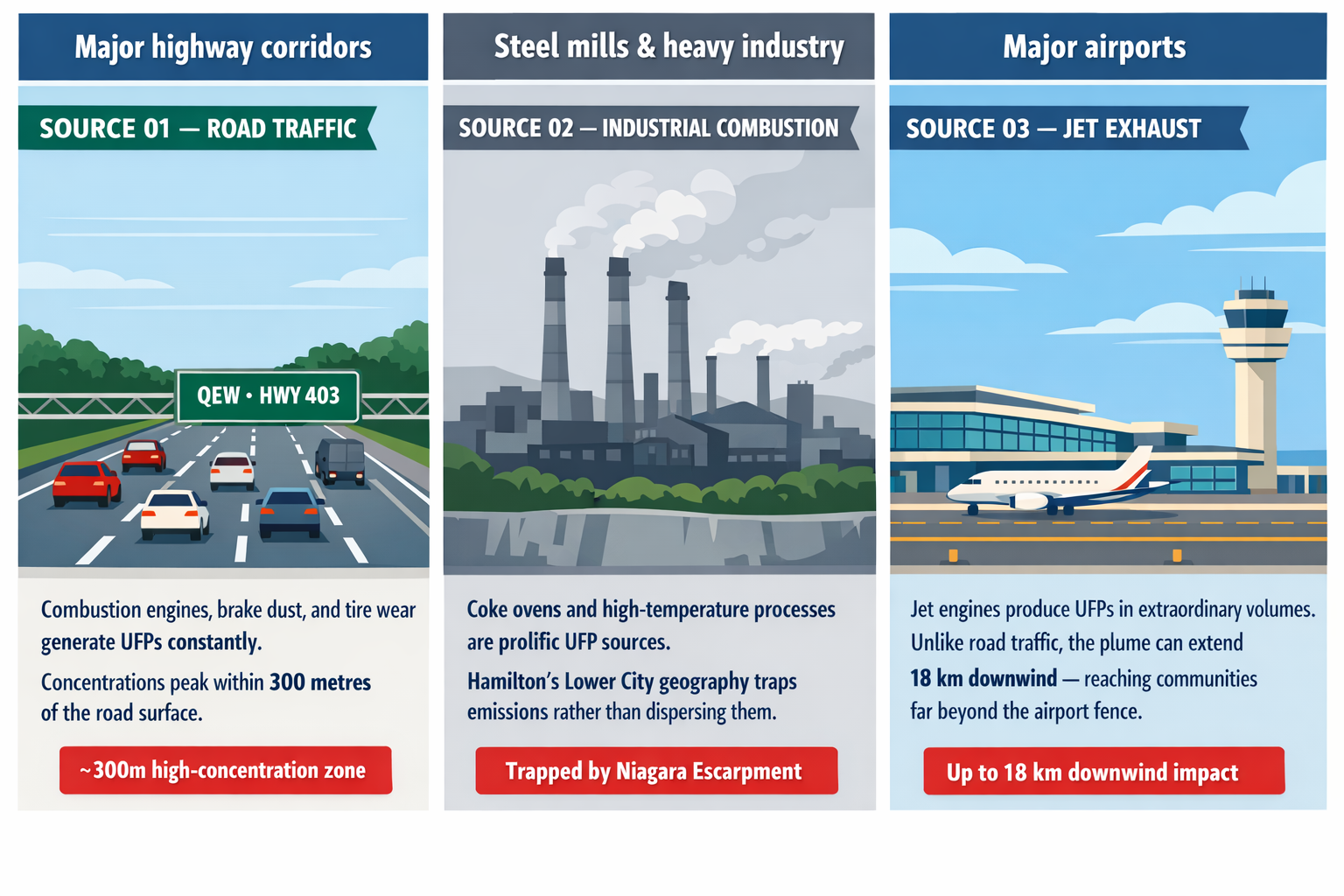
The Air Quality Problem Nobody Is Measuring
A major Canadian study linked long-term exposure to a common form of airborne pollution to

A major Canadian study linked long-term exposure to a common form of airborne pollution to
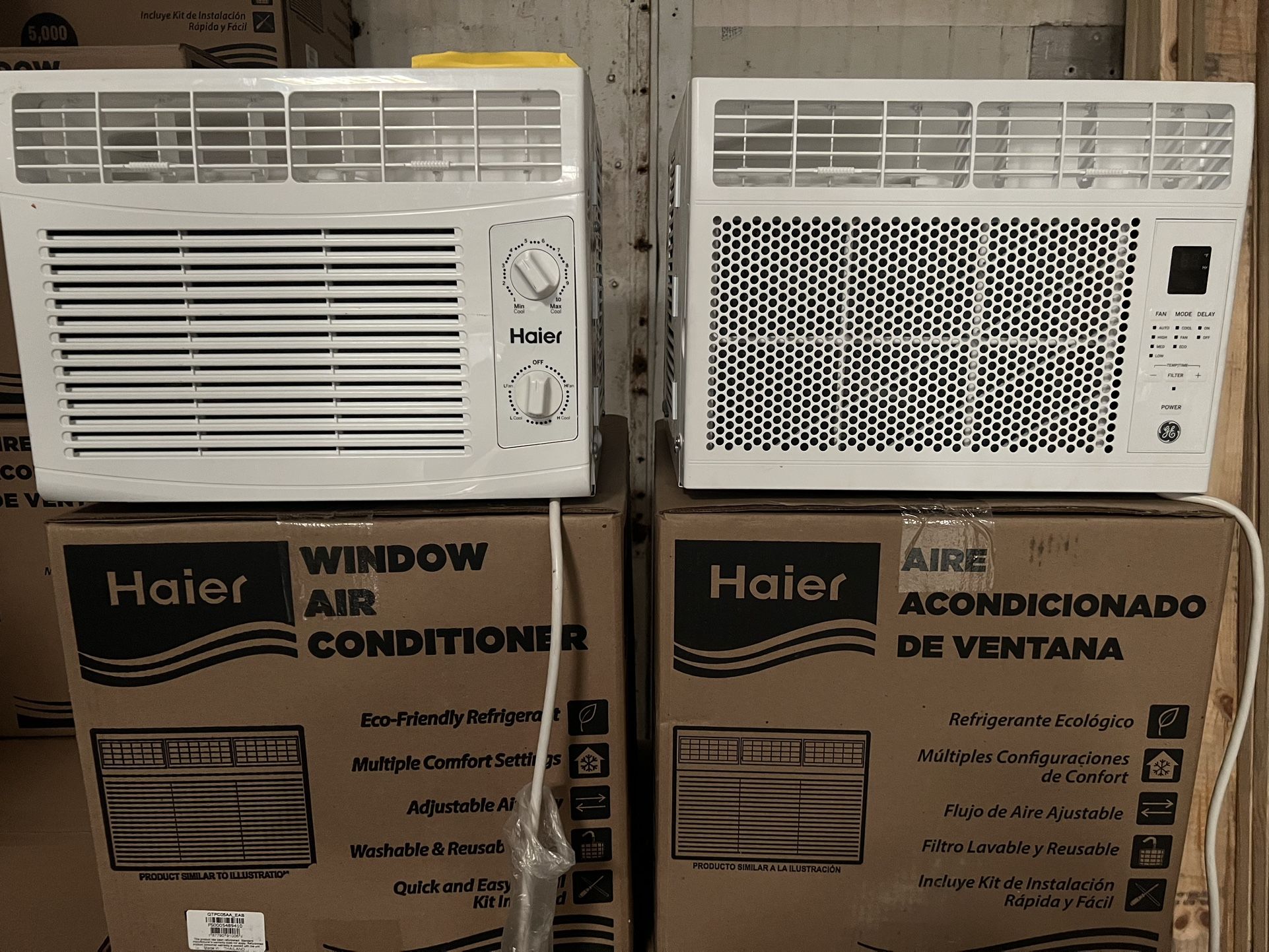
The idea of installing a lower-cost system and replacing it again later has intuitive appeal.

When replacing a furnace or air conditioner, the first number most people compare is the installation price. It’s concrete, immediate, and easy to measure.
Lifecycle cost is not.
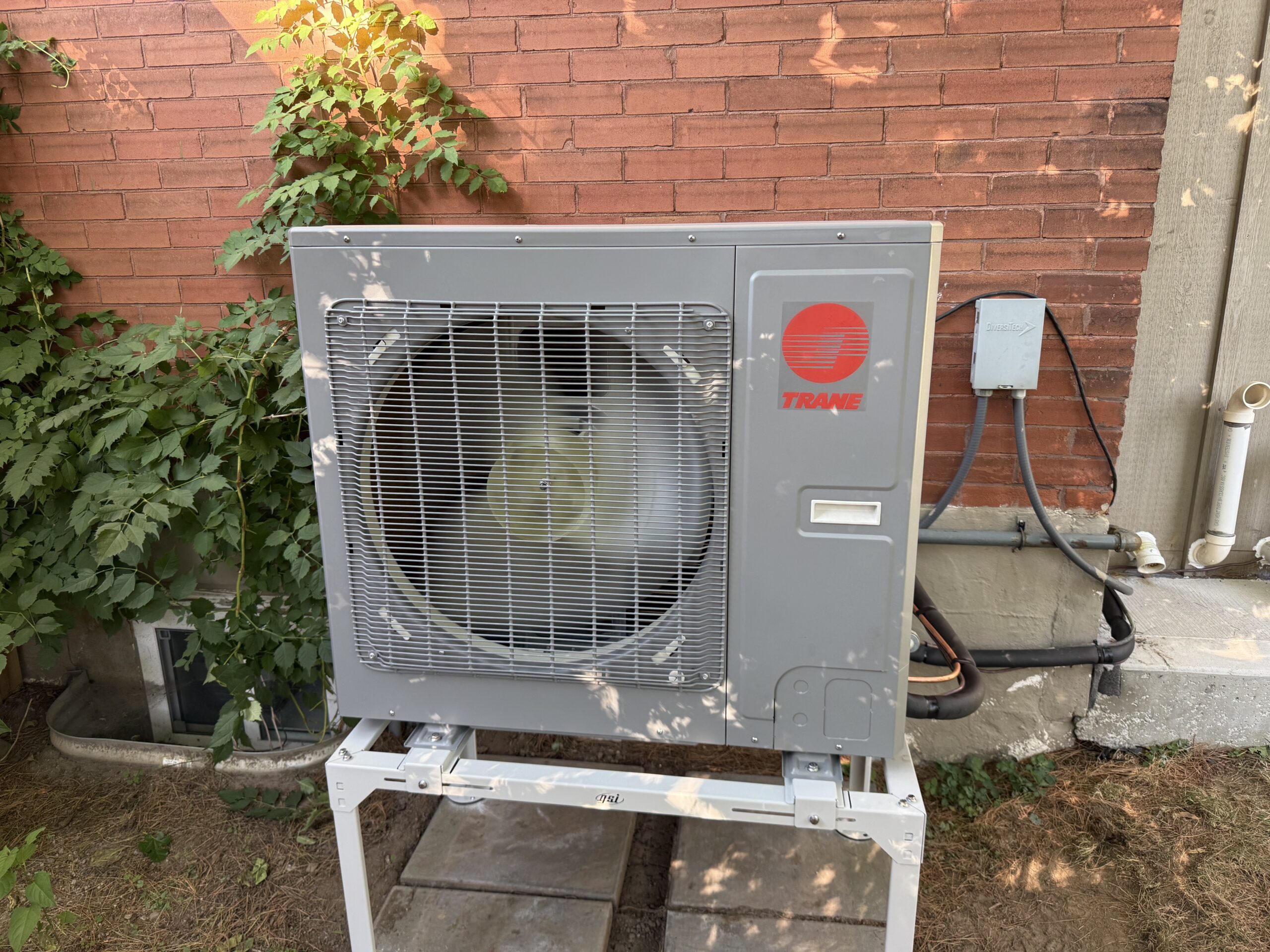
Understanding what your system is telling you during each season, and why shoulder season matters most, is one of the most effective ways to reduce breakdowns, manage costs, and extend equipment life.
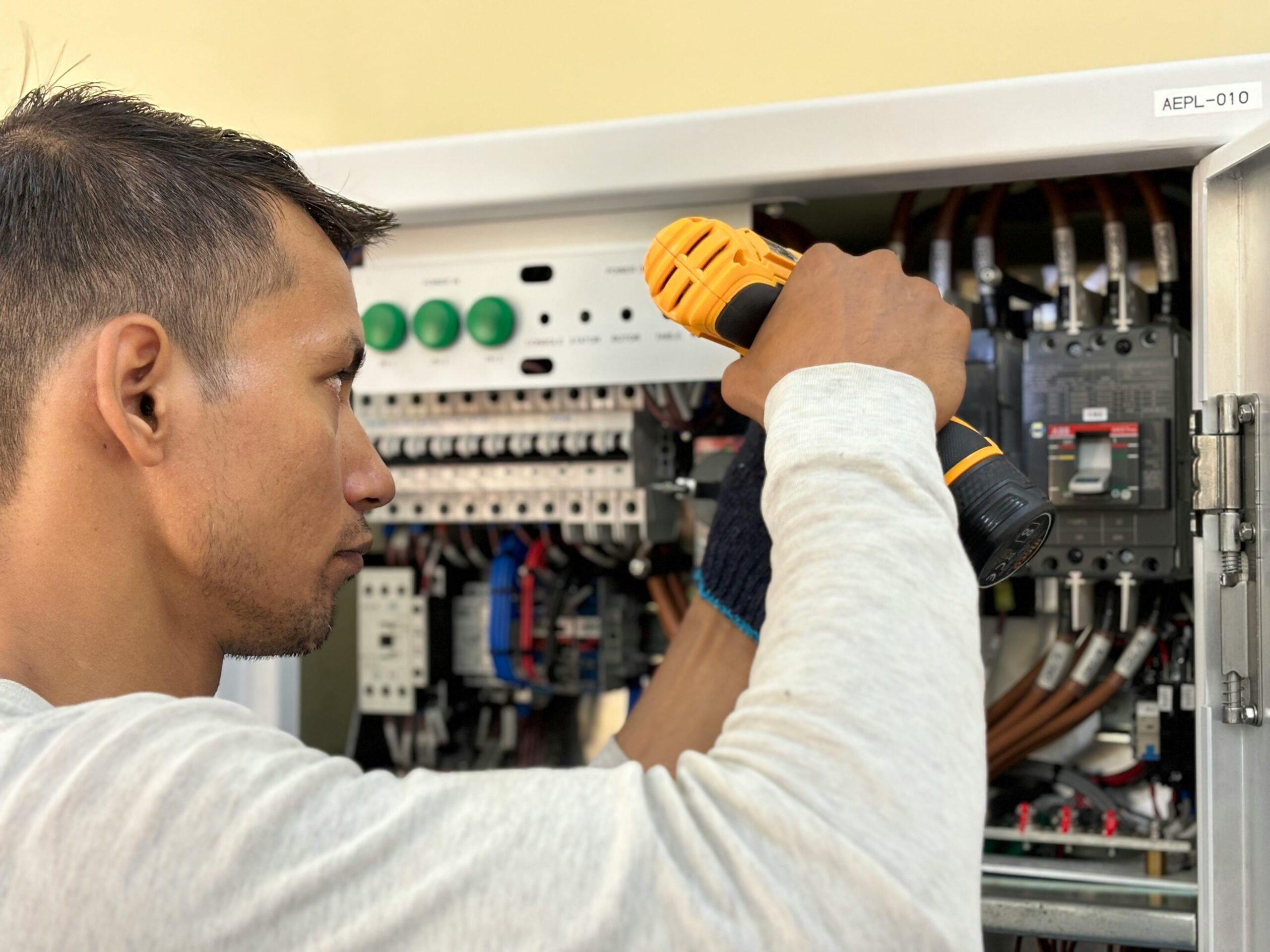
Heating and cooling equipment is more sophisticated, vehicles now draw power from garages instead of gas pumps, and everyday electrical use has increased across the board. What many homeowners and property managers don’t realize is that their electrical infrastructure was often designed for a much simpler version of how the building would be used.
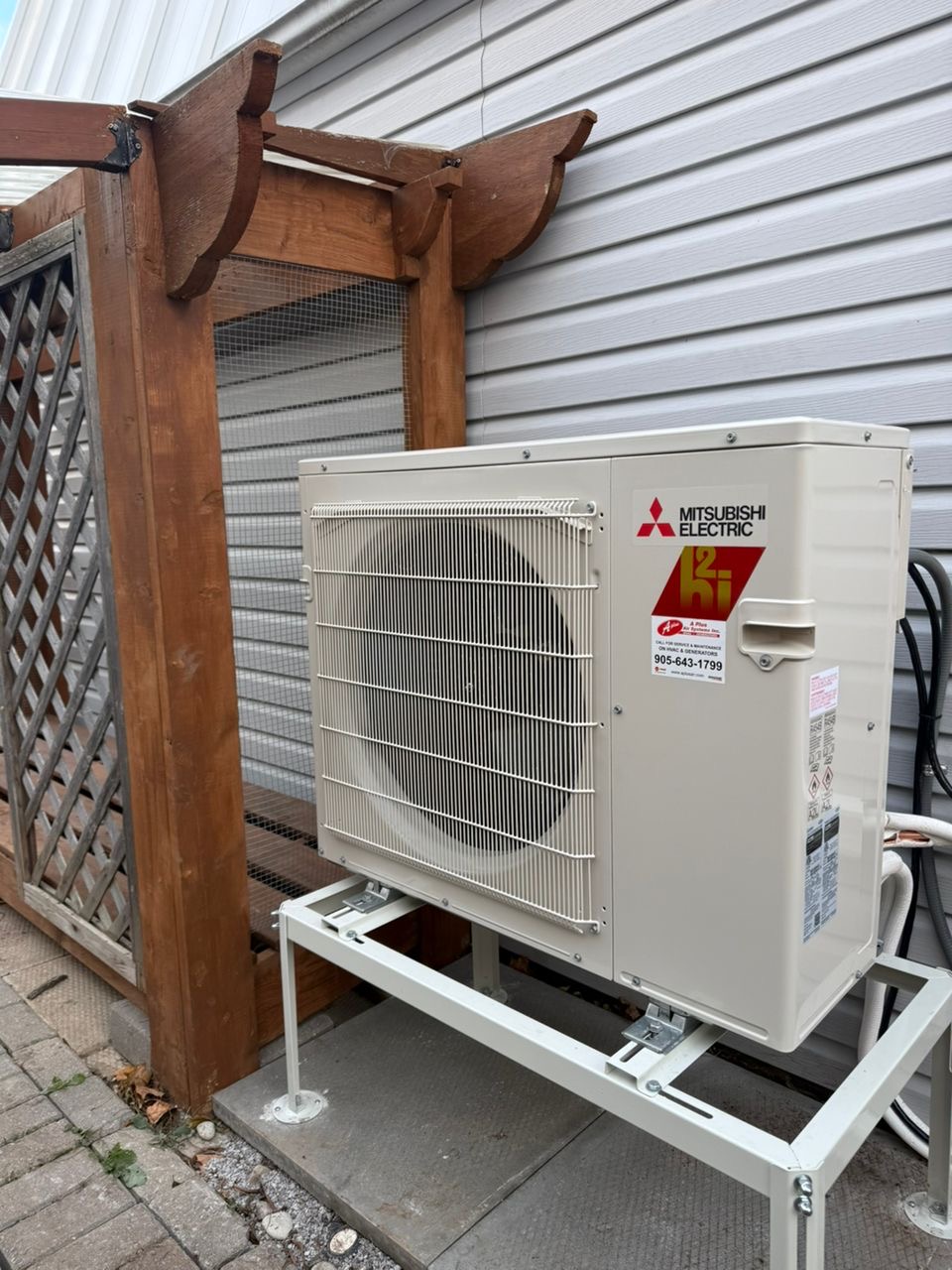
Most HVAC systems don’t fail suddenly. They spend months — sometimes years — showing small signs of stress before something finally breaks.
The problem is that those signs are easy to dismiss. A little extra noise. Slightly uneven temperatures. A system that still works, just not quite as smoothly as it used to. By the time comfort is clearly affected, the system has often been compensating for an underlying issue for a long time.
A Baseline HVAC Health & Risk Review succeeds if it reduces uncertainty and creates confidence in the planning process…

For property managers, HVAC risk isn’t a technical problem. It’s an operational risk.
Traditional HVAC service models are optimized for response, not foresight. A call comes in, a technician attends, a repair is made, and the immediate problem is resolved…
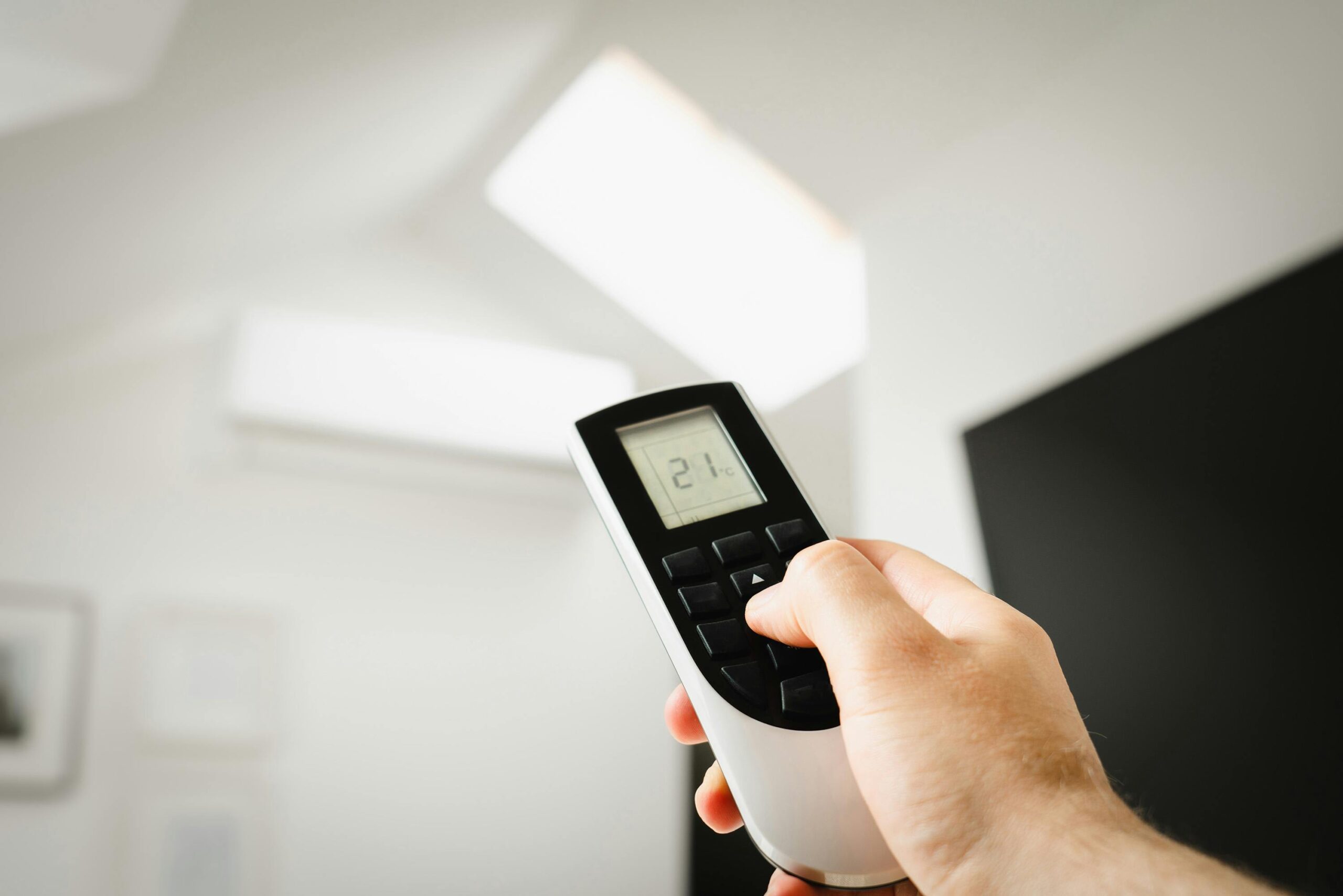
Efficiency has become one of the most misunderstood parts of HVAC decision-making. Newer systems can reduce energy costs — but not always in the way people expect…
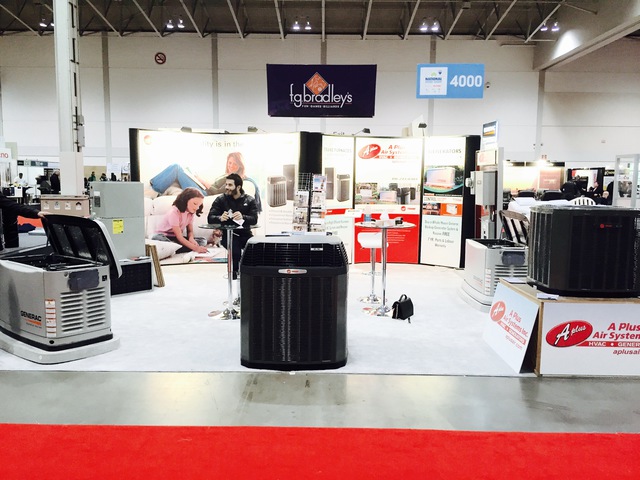
In our experience at A Plus Air Systems, systems are rarely replaced because someone planned ahead. More often, they’re replaced because something failed at the worst possible time. That’s when options narrow, costs rise, and decisions feel rushed. This guide is meant to slow that process down and give you a clearer…